4 upcoming webinars to accelerate your laboratory workflows

Discover the latest tools and techniques to expand your research capacity with expert-led presentations on spatial profiling, data management, analytical chromatography, and more

29 May 2022

Dora Wells
Clinical Content Editor

Expert insights

Upcoming SelectScience Webinars

SelectScience® hosts dozens of informative free webinars for scientists every month, featuring world-class speakers at the very forefront of their respective fields. In this regular feature, we highlight the events you won't want to miss over the next week or so, as well as some of our top on-demand webinars.

This week, discover which immune populations are involved in an effective response to immune checkpoint therapy and how they are organized in the tumor tissue, learn how labs are expanding beyond COVID-19 testing with limited resources, understand how to prevent preanalytical errors in your diagnostic testing workflow, and explore the properties of porous graphitic carbon particles and what benefits they provide chromatographers.

Spatial profiling the tumor microenvironment during successful Immune Checkpoint Therapy
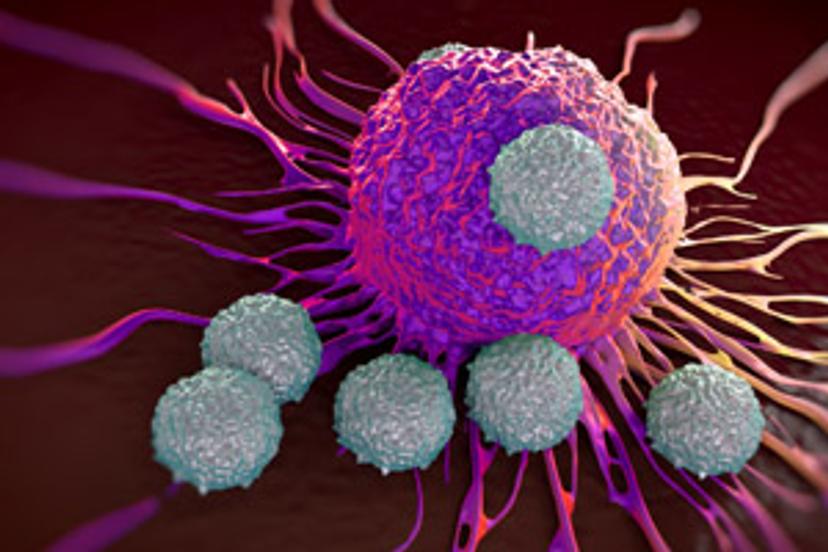
Spatial profiling the tumor microenvironment during successful Immune Checkpoint Therapy

This webinar will provide an overview on: proteomic spatial profiling methods such as CODEX® (Pheno Cycler™), tumor spatial biology, and immune mediated mechanisms involved with successful response to immune checkpoint therapy.

Tuesday, May 31, at 16:00 BST / 17:00 CEST / 11:00 EDT / 08:00 PDT

Register here


Looking ahead in the clinical lab: What’s next after COVID-19?
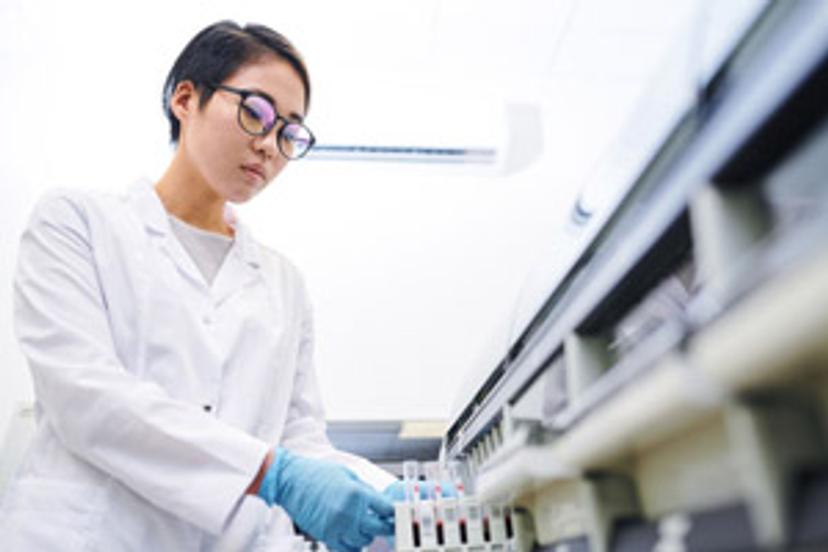
Looking ahead in the clinical lab: What’s next after COVID-19?

This webinar will provide insight into the current infectious disease testing landscape, and highlight a path forward for clinical laboratories that ensures accurate infectious disease monitoring and result generation.

Tuesday, May 31, at 16:00 BST / 17:00 CEST / 11:00 EDT / 08:00 PDT

Register here


Point-of-care IT connectivity and data management webinar series
Point-of-care IT connectivity and data management webinar series 

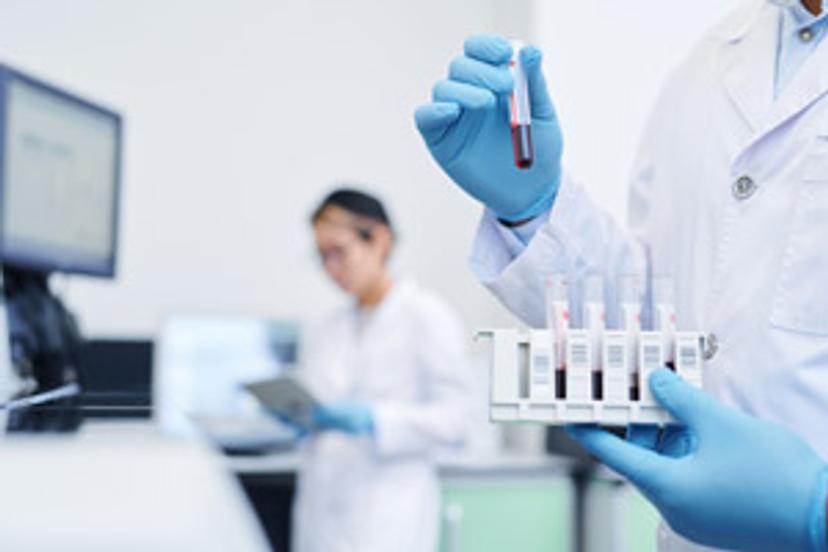
Join this first webinar in a series of three, exploring the entire diagnostic testing workflow, from the sample collection and preanalytical phase, to the analytical phase, and finally the post-analytical and data management phase.

Wednesday, June 1st at 16:00 BST / 17:00 CEST / 11:00 EDT / 08:00 PDT

Register here


A diamond in the rough: Fundamentals and strategies for using porous graphitic carbon columns

A diamond in the rough: Fundamentals and strategies for using porous graphitic carbon columns 

This webinar discusses the fundamentals, troubleshooting, and method development aspects of using porous graphitic carbon in analytical chromatography assays. Plus, explore application examples across a broad range of compound classes.

Wednesday, June 1, at 16:00 BST / 17:00 CEST / 11:00 EDT / 08:00 PDT

Register here


Watch our webinars at a time that suits you

Missed one of our webinars? Fortunately, all SelectScience webinars are made available on demand after the live event. Catch up on some of our latest webinars below:

Identifying novel aging genes and investigating their pathological role in breast cancer

Watch here»

Spatially offset Raman spectroscopy: Identifying packaged raw materials

Watch here»

Preclinical evidence of IGF1R/IR pathway inhibition in combination with GD2-CAR T-cells as a potent therapeutic strategy for diffuse midline glioma H3K27M mutant

Watch here»

A critical update on ISO15189

Watch here»

Weighing masterclass: A comprehensive run through of the basics of weighing

Watch here»

Automated Cell Counting: Achieving higher throughput and accuracy from the bench to the cleanroom

Watch here»

SelectScience runs 10+ webinars a month across various scientific topics, discover more of our upcoming webinars>>

MQuant® Test strips

Merck

Save time and get quick and reliable results in food, water and environmental analysis procedures
(0)

BIOshell™ UHPLC and HPLC Columns

Merck

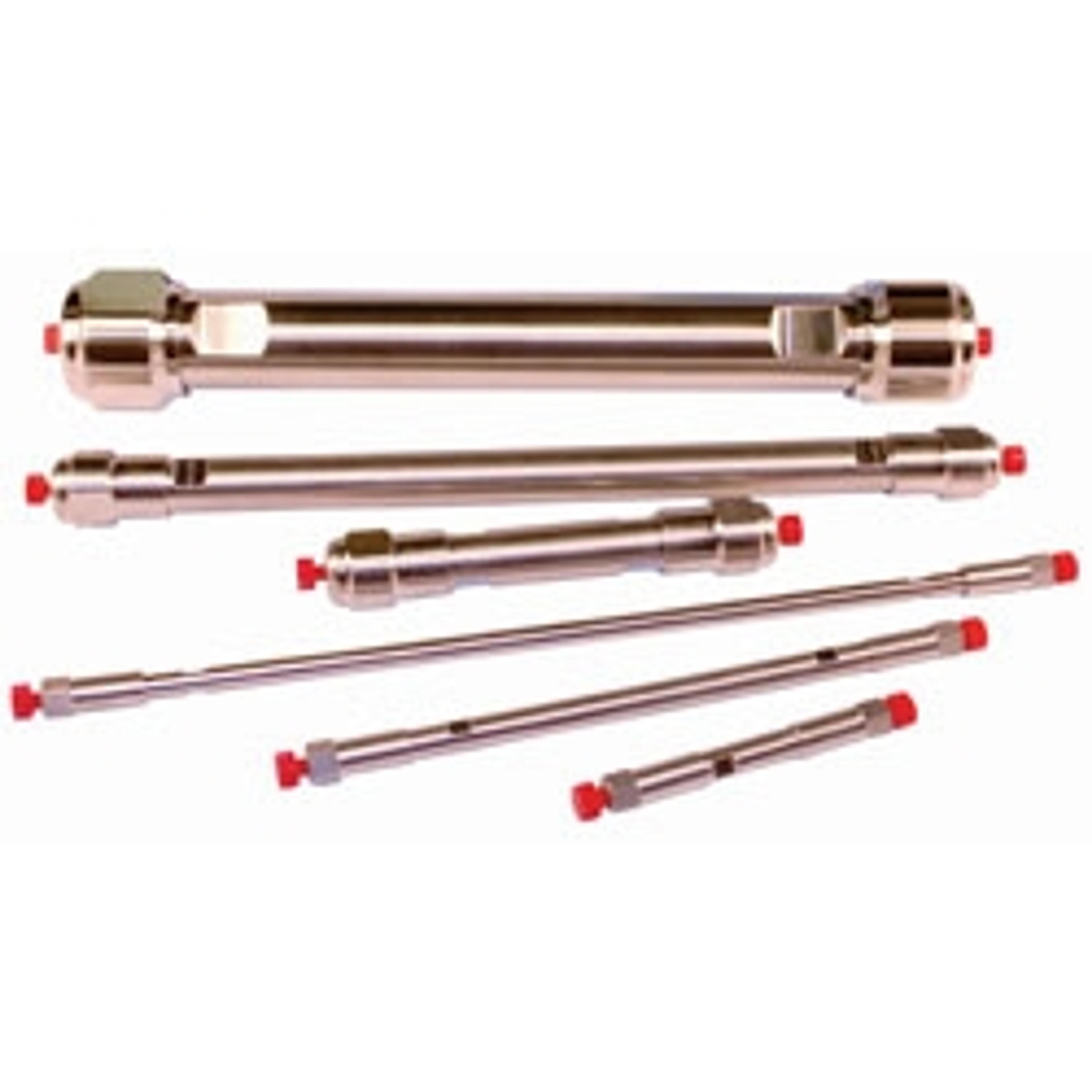
BIOshell™ HPLC and UHPLC columns deliver maximum speed and efficiency for the separation of biomolecules on both HPLC and UHPLC systems. The novel, superficially porous silica particles (SPP), with pore sizes from 90 Å up to 1000 Å, allow the separation of glycans as well as of very large proteins.

(0)

Links

Tags

Gas ChromatographyGas chromatography (GC) is an analytical technique used to separate and quantitate mixtures of small and volatile compounds. Gas chromatographs or GC systems include components such as GC columns, detectors, pumps and autosamplers. Choose from packed or capillary GC columns, flame ionization (FID), photoionization (PID) electron capture detectors and selective or non-selective detectors. Find the best gas chromatographs in our peer-reviewed product directory: compare products, check customer reviews and receive pricing direct from manufacturers.MicrobiologyMicrobiology is the study of microorganisms including protists, prokaryotes, fungi, and, often, viruses. Microorganisms are a useful research tool as genetic vectors and, in immunology, for antibiotic susceptibility testing, cellular biology and genetics. Microorganisms commonly grow readily in incubators with microbial culture media; this can contain chromogenic supplements to differentiate between cell lines. Estimate your culture’s density of microorganisms with colony counters, or screen and select colonies for desirable clones with automated colony pickers. Additionally, equipment is available to monitor environments for the presence of microbes and identify with microbial identification instruments. Find the best microbiology products in our peer-reviewed product directory: compare products, check customer reviews and receive pricing direct from manufacturers.Cell-Based AssaysCell-based assays are used to monitor the presence, quantity and activities of a desired cellular analyte including drug molecules or biomarkers. This can reveal information on cell health (apoptosis, cytotoxicity, viability and proliferation assays), cell metabolism, cell migration and cell signaling mechanisms. Find the best cell-based assay products, kits and equipment with our peer reviewed product directory: compare products, check customer reviews and receiving pricing direct from manufacturers.BiomarkersBiomarkers are biological markers which can be measured and evaluated to indicate a biological state. The use of biomarkers in research and diagnosis can indicate a normal or disease state or drug response of cells / tissues. Biomarkers include genetic markers, cell surface markers such as antigens, antibodies or receptors and secreted molecules such as cytokines. An assay system is required for identification of biomarkers. :Biopharmaceutical AdvancesBiopharmaceutical advances follow the development of pharmaceuticals derived from biotechnology, also known as biotechnology medicines. Biopharmaceuticals may be produced from cell lines, plants, or microbial cells. Important considerations of biopharmaceutical use include application, cost, production process and purification.Clinical MicrobiologyMicrobiology is the study of microorganisms including protists, prokaryotes, fungi, and, often, viruses. Microorganisms are a useful research tool as genetic vectors and, in immunology, for antibiotic susceptibility testing, cellular biology and genetics. Microorganisms commonly grow readily in incubators with microbial culture media; this can contain chromogenic supplements to differentiate between cell lines. Estimate your culture’s density of microorganisms with colony counters, or screen and select colonies for desirable clones with automated colony pickers. Additionally, equipment is available to monitor environments for the presence of microbes and identify with microbial identification instruments. Find the best microbiology products in our peer-reviewed product directory: compare products, check customer reviews and receive pricing direct from manufacturers.ImmunologyImmunological techniques measure and characterize immune responses. Immunology kits and analysis systems often use techniques such as ELISA, radioimmunoassay (RIA) and immunodiffusion assays, Immunohistochemistry, and flow cytometry. Immunologists use equipment such as flow Cytometers, plate readers, plate washers and fluorescent microscopes.Chromatography Method DevelopmentChromatography method development is the process of designing and optimizing chromatographic techniques to separate and analyze complex mixtures. This includes selecting appropriate stationary and mobile phases, determining flow rates, and optimizing detection methods. Successful method development is essential for high-quality results in fields like pharmaceuticals, food safety, and environmental analysis. Explore chromatography method development tools in our peer-reviewed product directory; compare products, check reviews, and get pricing directly from manufacturers.ChromatographyChromatography is a powerful technique used to separate and analyze components of mixtures based on their chemical properties. It is widely used in fields like biochemistry, pharmaceuticals, and environmental analysis. By exploiting differences in the interaction of substances with a stationary phase and a mobile phase, chromatography enables precise purification and quantification of compounds. Whether you're working with complex biological samples or industrial chemicals, chromatography is essential for obtaining high-quality results. Browse our peer-reviewed product directory to find the best chromatography systems, compare products, read customer reviews, and get pricing directly from manufacturers.Molecular DiagnosticsMolecular diagnostics use an individual’s genetic code and gene expression to diagnose and monitor diseases. The technique is used increasingly in the field of infectious diseases and oncology, as well as areas such as coagulation, HLA typing and pharmacogenomics. Molecular diagnostics plays a pivotal role in personalized medicine.TherapeuticsTherapeutics are treatments designed to alleviate or cure diseases. These include pharmaceuticals, biologics, and gene therapies, which work by targeting specific disease mechanisms. Advances in personalized medicine and biologics offer new hope for patients with conditions that were previously difficult to treat. Browse our peer-reviewed product directory to find therapeutic solutions for various diseases; compare products, check user reviews, and get pricing directly from manufacturers.Expression ProfilingTumorsTumor research focuses on understanding abnormal cell growth that leads to cancer. Identifying biomarkers, studying tumor microenvironments, and developing targeted therapies are critical for advancing cancer treatment. Early detection and personalized treatment options are key to improving outcomes for patients. Browse our peer-reviewed product directory to explore tools for tumor research, diagnostics, and cancer therapies; compare products, read customer reviews, and get pricing directly from manufacturers.Covid-19COVID-19, caused by the SARS-CoV-2 virus, has led to a global health crisis with profound impacts on societies and economies. Research into diagnostics, vaccines, treatments, and understanding viral mechanisms continues to evolve. The pandemic has accelerated innovations in healthcare and biopharmaceuticals, including novel vaccine platforms and rapid testing technologies. Browse our peer-reviewed product directory to find top COVID-19 testing kits, research tools, vaccines, and treatments, compare products, read reviews, and receive direct pricing from manufacturers.
4 upcoming webinars to accelerate your laboratory workflows