3D Cell Culture: Tumor-specific cancer treatments, organoid quality, drug screening and more

Keep up to date with the latest research and discover the tools and techniques advancing 3D cell culture and its applications

21 Mar 2022

Dora Wells
Clinical Content Editor

Editorial article

3D Cell Culture Special Feature

As part of our latest special feature, we’ve pulled together a selection of top new resources to support and advance your research using 3D cell culture. Discover how patient-derived organoids are unlocking tumor-specific cancer treatments, find out how a 3D hollow fiber bioreactor was used to generate mesenchymal stromal cell (MSC) precursors, learn why sustained-release growth factor delivery is crucial to organoid quality, and much more.

Patient-derived organoids unlock tumor-specific cancer treatments

PRECISION ONCOLOGY: Patient-derived organoids unlock tumor-specific cancer treatments

Dr. Benjamin Hopkins shares his work combining transcriptomics with 3D cell culture to identify tumor-specific drug sensitivities, and how growth reagents from Corning Life Sciences ensure consistent and reproducible culture conditions.

Read article

Advantages of tumor-specific 3D models

DRUG TESTING:Advantages of tumor-specific 3D models

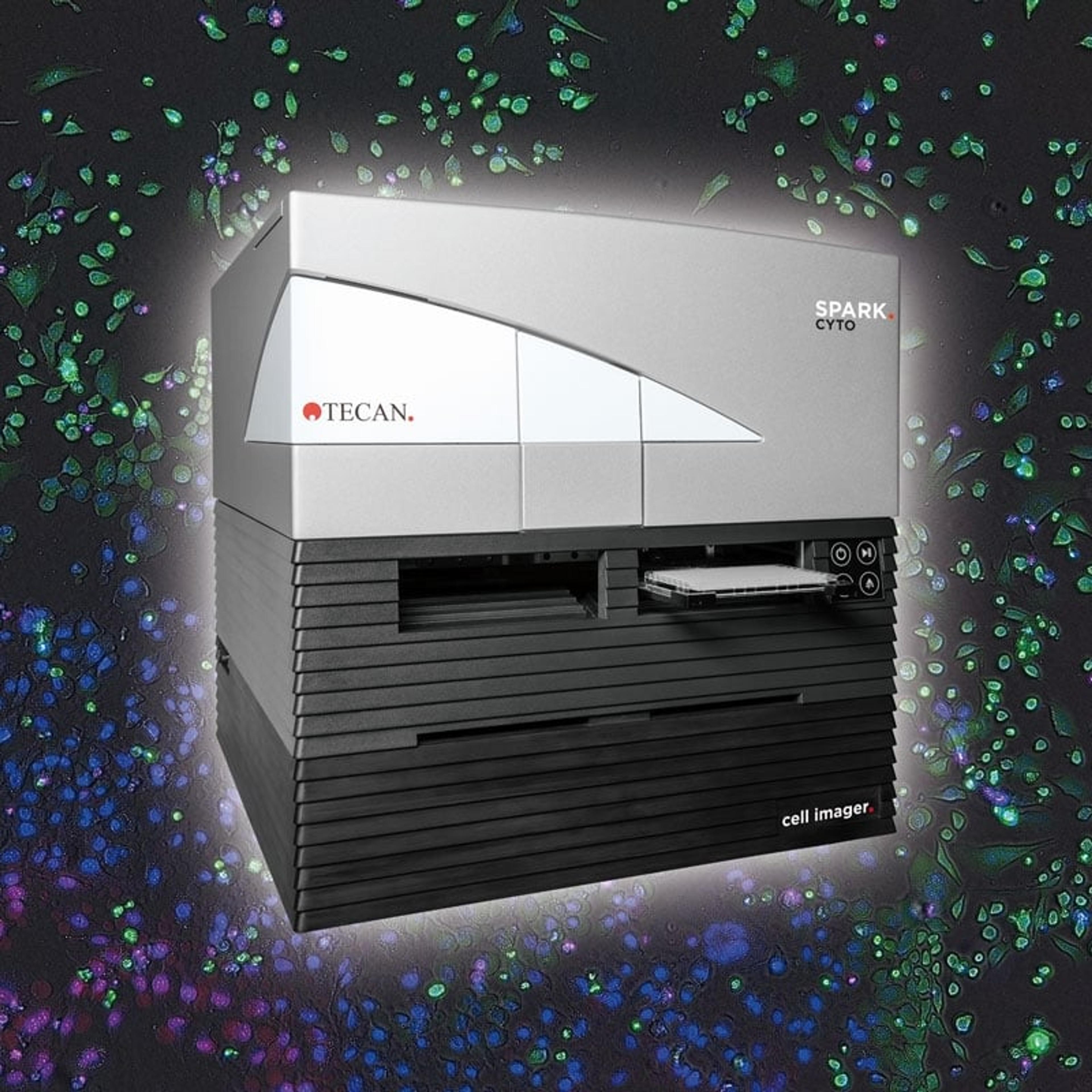
Dr. Julia Kirshner reveals why modeling the TME and tissue-relevant ECM is crucial to obtaining accurate drug response data, and shares how multiplex protocols, and state-of-the-art cell plate readers can deliver time- and cost-savings.

Learn more

Ready-to-use gastrointestinal PDOs 

ORGANOID BIOBANK:Ready-to-use gastrointestinal PDOs

Access Merck'snew biobank of over 50 highly characterizedpatient-derived organoids generated from normal and diseased tissues from multiple regions of the digestive system.

Learn more

Generation of mesenchymal stromal cell precursors

HOLLOW FIBER BIOREACTORS: Generation of mesenchymal stromal cell precursors

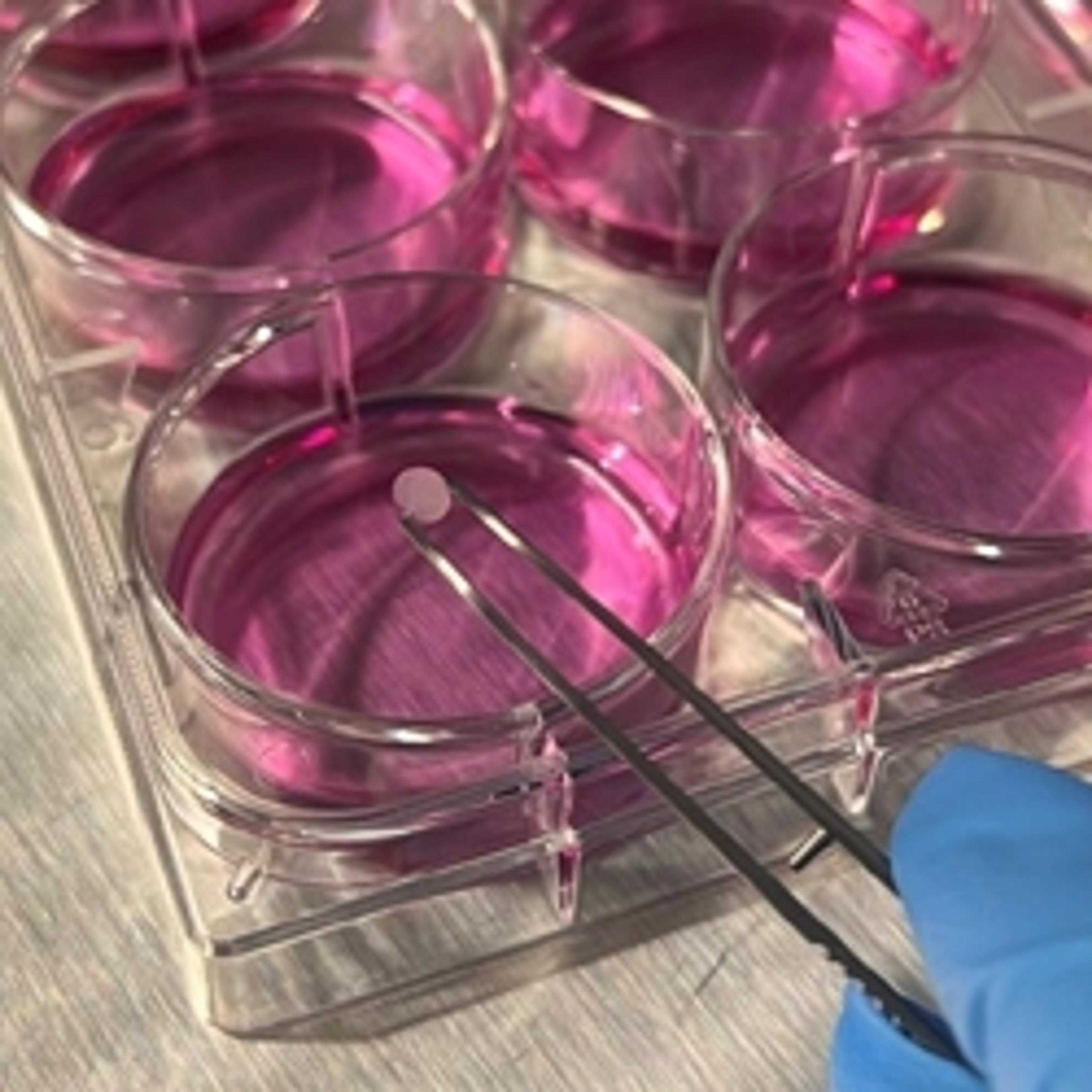
Learn how FiberCell Systems used a 3D hollow fiber bioreactor to generate a co-culture of placenta-derived cells that demonstrated nodule formation and production of putative MSC precursors. Plus, explore products such as the Duet Pump which provides flexible flow rate support for hollow fiber bioreactors.
Download method

Improve organoid quality with sustained-release growth factor delivery

GROWTH FACTORS:Improve organoid quality with sustained-release growth factor delivery

New DISC devices from StemCultures deliver a steady concentration of growth factor over time, enhancing pluripotency, guiding differentiation, and reducing the number of feeds required for any stem cell media.

Download method


Explore our video resources:

  • Detecting and isolating rare bone marrow stem cells
    Jennifer O’Sullivan discusses her work studying the changes in rare bone marrow stem cells that lead to blood cancers
    Watch video >>
  • Quantitative segmentation of single cells in retina sections
    Find out how scientists segmented single cells using retina sections with the THUNDER Imager 3D Tissue
    Watch video >>
  • Why do neurons have primary cilia?
    Explore an introduction to cilia, and the role of cilia in neurogenesis and neurons
    Watch presentation >>
  • Modeling neurodevelopment using hiPSC-derived neurons
    This webinar investigates the impact of maternal immune activation on neurodevelopment using human stem cell models
    Register now >>

Latest news and other top resources:

  • How to buy cell counting technology
    Explore a compendium of useful resources, expert insight, and case studies to help select the best cell counting technology system for your applications
    Download eBook >>
  • Autism risk genes, same effects on brain development
    Learn how researchers are using 3D miniature models of the human brain to advance disease understanding
    Read news >>
  • An easier way to grow model organs
    Discover how researchers successfully generated organoids in suspension, offering a new opportunity for investigators
    Read news >>
  • High-throughput screening of 3D cell cultures
    Learn how to grow, stain, and image large numbers of spheroids or organoids simultaneously
    Download method >>

Your recommendations

Take a look at what other researchers and scientists all over the world are saying about the latest equipment and technologies in 3D cell culture. Kash Moshksayan, from the University of Texas, shared his opinion on theCorning® Matrigel® Growth Factor Reduced (GFR) Basement Membrane Matrix by Corning Life Sciences.

Perfect matrigel for intestinal organoids
Find more news and resources in our 3D Cell Culture Special Feature>>

Links

Tags

Cell Adhesion AssaysCell adhesion assays are used to quantitate attachment and analyze the molecular mechanisms for extracellular matrix adhesion, cell migration and sensitivity to inhibitors. Find the best cell adhesion assay equipment in our peer-reviewed product directory: compare products, check customer reviews and receive pricing direct from manufacturers.Cell / Tissue CultureCell culture or tissue culture is used to study the biology of cells or tissues and to isolate cellular products in an environment which can be manipulated and well defined. Accurately control your culture environment with bioreactors or culture incubators, bind your cells to a surface or together with an extracellular matrix. Distinguish cell types with differential media or proliferate cells with certain characteristics using selective media. Enrich your media with supplements such as growth factors, sera and vitamins. Find the best cell and tissue culture products, kits and equipment in our peer-reviewed product directory: compare products, check customer reviews and receive pricing direct from manufacturers.Lab-on-a-ChipLab-on-a-chip (LOC) technology uses microfluidic chips, such as microarrays, to perform biochemical assays on a small scale. Benefits of lab-on-a-chip include the small volume of sample required as well as the speed of analysis. In selecting lab-on-a-chip devices consider the assay, cost, reliability, sensitivity and signal to noise ratio.High-Throughput ScreeningHigh-throughput screening (HTS) is an automated drug discovery technique for identification of active compounds against a compound library. Use HTS readers and integrated assay preparation / analysis workstations to screen your compounds. Identify active compounds against various HTS libraries, including membranes, proteins and peptides and HTS cell lines. Find the best high-throughput screening products in our peer-reviewed product directory: compare products, check customer reviews and receive pricing direct from manufacturers.Cell Lines Stem Cells and Primary CellsPrimary cell cultures, established cell lines and stem cells are vital for <i>in vitro</i> and <i>ex vivo</i> experimentation. High-quality cells, optimized for your applications, alongside optimized cell substrates, growth medium and supplements, are critical for experimental success. Explore a range of cells suitable for your applications, including isogenic cell lines, competent cells, induced pluripotent stem cell (iPSC)-derived cell lines, fungal/bacterial/mammalian cell lines, stem cells and cancer cell lines. Find the best cells for your research in our peer-reviewed product directory: compare products, check customer reviews and receive pricing direct from manufacturers.Microplate Readers / DetectorsMicroplate readers are used to automate the detection and analysis of labeled or label-free components in microplates during assays or live-cell monitoring. Microplate readers are generally distinguished by their mode of detection. Types include absorbance, luminescence, fluorescence intensity, fluorescence polarization, TRF / FRET and multimode microplate readers. Microplate readers deliver a high throughput of samples by reading multiple wells simultaneously, with the 96-well format the most commonly used. As a result, microplate readers are often used in the drug discovery, bioassays, research and pharmaceutical industries for screening applications. Microplate loading can also be automated, with robotic microplate stackers to increase throughput. Find the best microplate readers in our peer-reviewed product directory: compare products, check customer reviews and receive pricing direct from manufacturers.Assay AssemblyAssay Assembly is technique used in drug discovery to develop assays to test the cytotoxicity, genotoxicity, or other activities of a compound on a cell. Assay assembly requires chip assembly, a delivery system and a detection and analysis method. Beneficial features of assay kits or automated systems include high-throughput, high speed and sensitivity and low signal to noise ratio.Medicinal ChemistryMedicinal chemistry is a broad discipline encompassing the design, identification, synthesis and development of chemicals in drug discovery. It includes a number of techniques covering structural biology, synthetic chemistry and molecular biology. Technologies used in medicinal chemistry include ADME, lab-on-a-chip, high content screening and assay assembly.Cell-Based AssaysCell-based assays are used to monitor the presence, quantity and activities of a desired cellular analyte including drug molecules or biomarkers. This can reveal information on cell health (apoptosis, cytotoxicity, viability and proliferation assays), cell metabolism, cell migration and cell signaling mechanisms. Find the best cell-based assay products, kits and equipment with our peer reviewed product directory: compare products, check customer reviews and receiving pricing direct from manufacturers.DNA SequencingDNA sequencing, such as sanger sequencing, is a biological technique that determines the precise order of nucleotide bases in a fragment or template of DNA. DNA sequencers and genetic analyzers are based on capillary electrophoresis, where labeled DNA fragments are electrophoretically separated by size as they migrate through a polymer. Find the best DNA sequencing products, including DNA sequencing kits, genomic libraries and genetic identity kits in our peer-reviewed product directory: compare products, check customer reviews and receive pricing direct from manufacturers.BiomarkersBiomarkers are biological markers which can be measured and evaluated to indicate a biological state. The use of biomarkers in research and diagnosis can indicate a normal or disease state or drug response of cells / tissues. Biomarkers include genetic markers, cell surface markers such as antigens, antibodies or receptors and secreted molecules such as cytokines. An assay system is required for identification of biomarkers. :Biopharmaceutical AdvancesBiopharmaceutical advances follow the development of pharmaceuticals derived from biotechnology, also known as biotechnology medicines. Biopharmaceuticals may be produced from cell lines, plants, or microbial cells. Important considerations of biopharmaceutical use include application, cost, production process and purification.Personalized medicinePersonalized medicine refers to the idea of customized healthcare, where medical decisions and treatments are tailored to the individual patient. Molecular diagnostics, companion diagnostics and Next Generation Sequencing (NGS) play a pivotal role in this approach.Stem Cell ResearchStem cells have the ability to produce identical daughter cells as well as progeny, which commit and differentiate. Stem cell research has exciting prospects of biomedical applications in cellular disease modeling, pharmaceutical screening, and regenerative medicine. Cell GrowthCell growth refers to the process by which cells increase in size and number. It is essential for tissue development, wound healing, and cancer research. Understanding and controlling cell growth is a fundamental part of cell biology and regenerative medicine. Browse our peer-reviewed product directory to find the best tools for studying cell growth, compare products, check reviews, and get pricing directly from manufacturers.