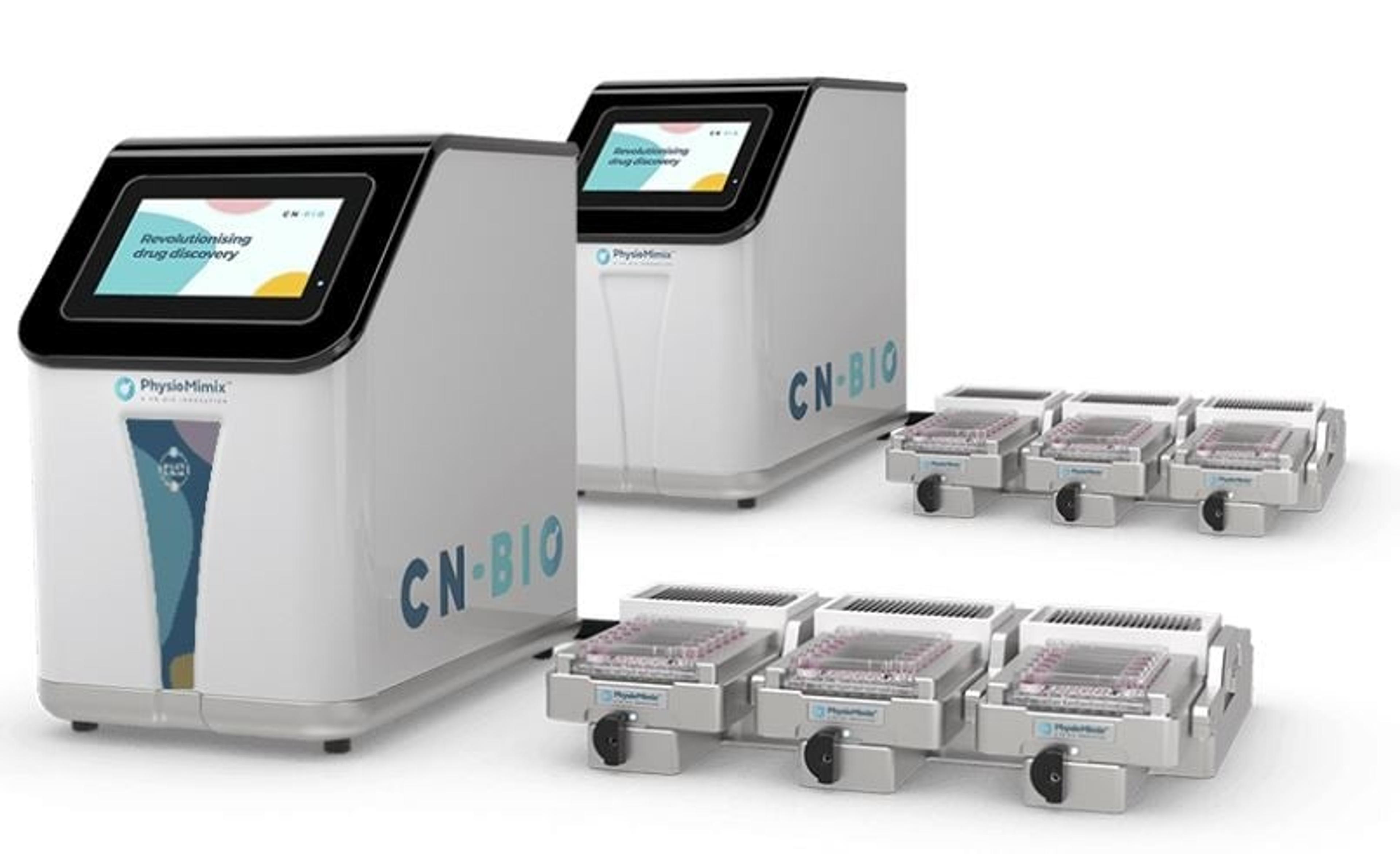
3D Cell Culture: Patient mini-brains, cancer insights, drug screening and more

Keep up to date with the latest research and discover the tools and techniques advancing 3D cell culture and its applications

27 Apr 2021
Tom Casburn
Associate Editor

Editorial article

Top resources for 3D cell culture

As part of our dedicated special feature, we’ve pulled together a selection of top new resources to support and advance your work using 3D cell culture. Read on to discover how novel organoid models are being used to develop patient mini-brains, learn how to accurately track in vitro tumor invasion, explore robust 3D models for respiratory research, and much more.

GLIOBLASTOMA MODELS: Recreating brain tumors in a dish

Dr. Richa Singhania highlights the key considerations in generating cerebral organoid-based 3D models to serve as patient mini-brains and outlines how Corning Life Sciences technology is critical to providing the right conditions for this research.

Read article

MODELING METASTASIS: Accurate analysis of in vitro 3D tumor invasion

Explore an optimized protocol using advanced cellular imaging from BioTek to track the invasive nature of in vitro 3D cell models over time and in response to drug candidates.
Download method

ADME: Multi-organ modeling of drug absorption and metabolism

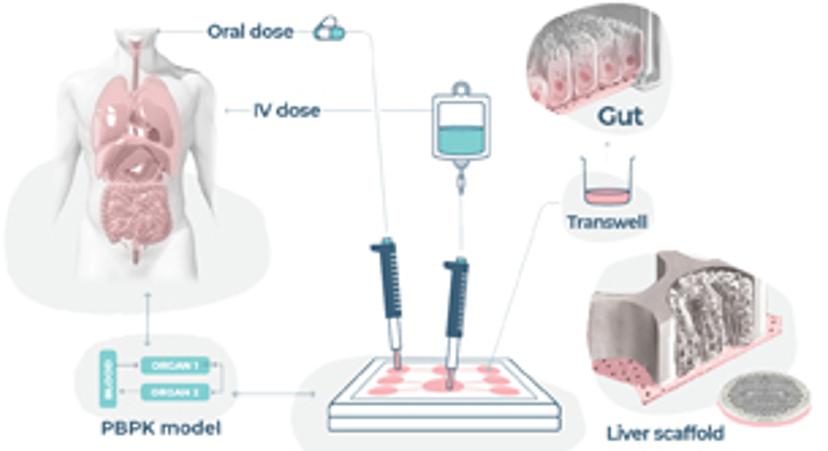
Learn how advanced in vitro organ models provide a human alternative to animal or in silico first-pass metabolism studies and explore the potential for CN Bio’s gut-liver microphysiological system to improve in vivo PK/PD predictions using diclofenac.

Download method

PRECAST PLATES: Rapidly seed cells without hydrogel assembly

Learn how precast TrueGel3D® HTS Hydrogel Plates from MilliporeSigma can be used to establish high-throughput 3D cell cultures for tumor spheroid formation, stem cell culture, immunology, ADME/tox studies and more.

Download info

RESPIRATORY MODELS: Turning the 3D cell culture world upside down

Overcome the challenges of animal-based matrices with GrowDex® hydrogels by UPM Biomedicals and establish robust 3D cell models for respiratory disease research, drug screening or host-pathogen interaction studies.

Download method

CLONAL CULTURES: Precise manipulation of CRISPR-modified organoids

Download this novel protocol, developed in collaboration with HUB, to learn how to accurately select and isolate CRISPR/Cas9-modified organoids at high throughput using YAMAHA MOTOR cell handling technology.

Download method

PRECISION ONCOLOGY: Getting organoids into the clinic

Dr. Christian Regenbrecht discusses his work using patient-derived tumor organoids to help guide cancer treatment decisions and how he sees organoid models moving into clinical practice in the future.

Read article

eBOOK: Essential technology for cell counting and viability measurements

Compare the top technologies on the market and find the best cell counter for your applications in this free guide.

Download eBook

Expert interviews:

  • 3D cell culture and organoids: Potential tools in the fight against COVID-19
    Dr. Shuibing Chen discusses the advantages of organoids, surprising discoveries in COVID research, and her hopes for revolutionizing the future of drug therapies. Read article >>
  • A novel target to inhibit glioblastoma invasion
    Dr. Aleksandra Dukic, Oslo University Hospital, describes a novel target for inhibiting glioblastoma cancer invasion into surrounding brain tissue and the importance of this work in addressing the need for innovative therapeutics to combat this aggressive cancer. Watch on The Scientists' Channel>>
  • Analyzing cancer progression and treatment efficacy with imaging mass spectrometry
    Dr. Amanda Hummon, Ohio State University, explains how her research group is developing novel mass spectrometry methods to examine the interaction between drugs and cancer samples in both 3D cell cultures and patient-derived organoids. Watch on The Scientists' Channel >>

Other top resources:

  • How to Buy Cell Imaging Technology: Find useful resources to help simplify your choice when it comes to purchasing your next cell imager. Download eBook>>
  • High-content imaging: Read this eBook to learn how to capture in-depth and high-quality images of spheroids, stem cells, organs-on-chips, and whole organisms. Download eBook>>
  • Cell cultivation: Learn how to safely restart your cell research in the wake of COVID-19 with these top tips and best incubator decontamination practices. Read article >>
  • Assay automation: Explore a precise, automated method for the forskolin-induced swelling assay of human intestinal organoids and learn how to apply this protocol to achieve higher throughput in your personalized medicine and drug discovery research. Download method >>

Your recommendations:

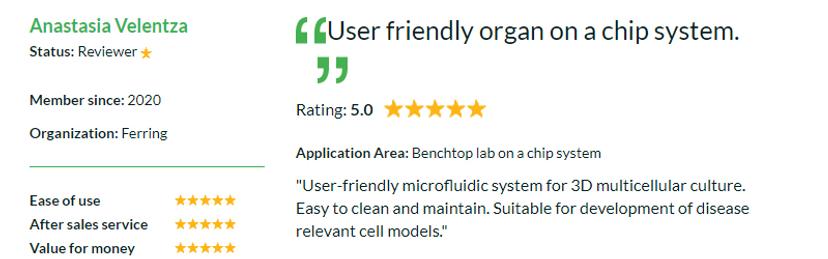
Take a look at what other researchers and scientists all over the world are saying about the latest equipment and technologies in 3D cell culture. Anastasia Velentza, from Ferring, shared her opinion on the PhysioMimix™ OOC Single and Multi-Organ Microphysiological System.
Find more news and resources in our 3D Cell Culture Special Feature>>

Links

Tags

Cell / Tissue CultureCell culture or tissue culture is used to study the biology of cells or tissues and to isolate cellular products in an environment which can be manipulated and well defined. Accurately control your culture environment with bioreactors or culture incubators, bind your cells to a surface or together with an extracellular matrix. Distinguish cell types with differential media or proliferate cells with certain characteristics using selective media. Enrich your media with supplements such as growth factors, sera and vitamins. Find the best cell and tissue culture products, kits and equipment in our peer-reviewed product directory: compare products, check customer reviews and receive pricing direct from manufacturers.Cell Lines Stem Cells and Primary CellsPrimary cell cultures, established cell lines and stem cells are vital for <i>in vitro</i> and <i>ex vivo</i> experimentation. High-quality cells, optimized for your applications, alongside optimized cell substrates, growth medium and supplements, are critical for experimental success. Explore a range of cells suitable for your applications, including isogenic cell lines, competent cells, induced pluripotent stem cell (iPSC)-derived cell lines, fungal/bacterial/mammalian cell lines, stem cells and cancer cell lines. Find the best cells for your research in our peer-reviewed product directory: compare products, check customer reviews and receive pricing direct from manufacturers.ADME-ToxicologyADME-toxicology (ADME-Tox) studies are used in pharmacology and pharmacokinetics to assess the activity/toxicity of drugs <i>in vivo</i> or <i>in vitro</i>. Find bioassays for absorption, distribution, metabolism, and excretion of drug molecules including cytotoxicity, transporter/permeability, metabolism and activity assays as well as hepatocytes and cell lines for ADME. Find the best ADME-toxicology products in our peer-reviewed product directory: compare products, check customer reviews and receive pricing direct from manufacturers.Flow Cytometry / Cell CountingFlow cytometers are used to count, sort and examine multiple characteristics of cells. Other cell analysis equipment includes image cytometers, cell counters, fluorescence-activated cell sorters (FACS), magnetic-activated cell sorters (MACS), and a range of flow cytometry assay kits. Flow cytometers can reveal information on cell viability, cell proliferation, apoptosis and cell cycle progression, as well as identify cell populations and intracellular or cell-surface molecules. Additionally, some flow cytometers, known as FACS, have an additional sorting function after analysis. Cell counters and image cytometers count live and dead cell populations and can also conduct cell proliferation assays. Find the best flow cytometers, cell counters and cell sorters in our peer-reviewed product directory: compare products, check customer reviews and receive pricing direct from manufacturers.Cellular PathologyCellular Pathology deals with the microscopic analysis of tissue samples and cells. Sample preparation and processing includes fixation, staining, sectioning and slide mounting, using equipment such microtomes and cryostats. In choosing immunohistochemistry and immunocytochemistry kits, consider chromogens, staining method, antibodies, microscopes and imaging.Cell-Based AssaysCell-based assays are used to monitor the presence, quantity and activities of a desired cellular analyte including drug molecules or biomarkers. This can reveal information on cell health (apoptosis, cytotoxicity, viability and proliferation assays), cell metabolism, cell migration and cell signaling mechanisms. Find the best cell-based assay products, kits and equipment with our peer reviewed product directory: compare products, check customer reviews and receiving pricing direct from manufacturers.Biopharmaceutical AdvancesBiopharmaceutical advances follow the development of pharmaceuticals derived from biotechnology, also known as biotechnology medicines. Biopharmaceuticals may be produced from cell lines, plants, or microbial cells. Important considerations of biopharmaceutical use include application, cost, production process and purification.Cancer DiagnosticsThere are a wide variety of diagnostic tests for cancer available, and this range continues to expand as our knowledge of cancer improves. Current diagnostic methods include biopsy, imaging and blood tests for known biomarkers. New methods in research development include liquid biopsies and cancer breathalyzers.Cell AnalysisThe analysis of cells allows researchers to understand the factors which contribute to cell health and function. These influencing processes can then be predicted and altered, leading to the development of medication and disease treatments.Drug TestingIt is essential to test the efficacy and toxicity of drugs at every stage of their development to ensure that a pharmaceutical product is fit for purpose and safe for use before reaching the stage of mass production and distribution.Stem Cell ResearchStem cells have the ability to produce identical daughter cells as well as progeny, which commit and differentiate. Stem cell research has exciting prospects of biomedical applications in cellular disease modeling, pharmaceutical screening, and regenerative medicine. 3D Imaging3D imaging technologies allow for the visualization and analysis of three-dimensional structures at high resolution. These systems are used in fields like molecular biology, material science, and medical diagnostics. 3D imaging can be applied to visualize cells, tissues, and organs, providing valuable insights into their structure and function. Browse our peer-reviewed product directory to find the best 3D imaging solutions, compare products, check reviews, and get pricing directly from manufacturers.Cell BiologyCell biology studies the structure, function, and behavior of cells. Understanding cellular processes is essential for research in areas such as cancer biology, stem cell research, and neurobiology. Techniques like flow cytometry, microscopy, and cell culture enable researchers to explore cellular mechanisms in detail. Browse our peer-reviewed product directory to find the best cell biology tools and equipment, compare products, check customer reviews, and get pricing directly from manufacturers.Drug MetabolismDrug metabolism is the enzymatic conversion within the body of pharmaceutical substances into other chemical compounds. The primary site for drug metabolism is the liver.CRISPRCRISPR technology enables precise editing of genes, allowing scientists to modify DNA at specific locations. This revolutionary tool is used in genetic research, drug development, and gene therapy. CRISPR has applications in agriculture, disease treatment, and creating genetically modified organisms (GMOs). Explore CRISPR solutions in our peer-reviewed product directory; compare products, check reviews, and get pricing directly from manufacturers.