
24 hours in the life of a Biomedical Scientist in Ghana
In this guest blog post, Daniel Nii Martey Antonio discusses his everyday life in the lab and the key challenges and rewards of working in clinical diagnostics
23 Oct 2024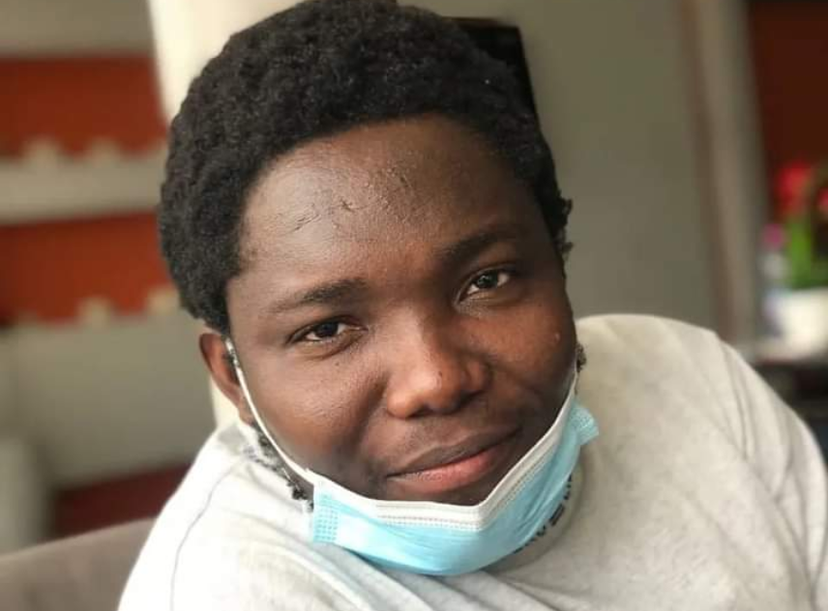
Daniel Nii Martey Antonio, Biomedical Scientist, Kumasi South Hospital Laboratory, Ghana
In this guest blog post, submitted as part of the global #CLINICAL24 conversation, Daniel Nii Martey Antonio, from Ghana, shares his insights and experiences as a Biomedical Scientist at the Kumasi South Hospital Laboratory. Discover his role in hematology and clinical chemistry, and how his work impacts healthcare and patient care.
About my job as a Biomedical Scientist
My name is Daniel Nii Martey Antonio, and I am a Biomedical Scientist at the Kumasi South Hospital Laboratory, specifically in the hematology and clinical chemistry lab, in Ghana. Currently, I serve as the internal auditor and head of the haematology unit. My role involves overseeing the accurate processing of patient blood samples and providing essential diagnostic results that assist physicians in diagnosing and treating patients.
My work as a Biomedical Scientist brings me immense satisfaction because it allows me to contribute directly to patient care by providing critical diagnostic insights.
A typical day for me as a Biomedical Scientist
A typical day in the Kumasi South Hospital Laboratory begins with preparing the lab for the day’s activities, including calibrating and maintaining equipment to ensure accurate test results. Throughout the day, I process patient samples and perform a variety of diagnostic tests such as full blood counts, blood grouping, G6PD tests, liver and renal function tests, electrolytes, HbA1C, and PSA tests. Quality control is central to my daily routine, as I regularly run both internal and external control samples to verify accuracy. I also manage the lab’s inventory, troubleshoot any equipment issues, and ensure compliance with safety standards.
Biggest challenges as a Biomedical Scientist
The biggest challenges I face in my role include frequent shortages of essential reagents and supplies, which can delay both diagnostics and patient care. Additionally, the high patient load can overwhelm our lab staff, increasing pressure to deliver results quickly without compromising accuracy. Equipment breakdowns and delayed repair services further impact workflow, making it difficult to maintain the pace of testing. Ensuring ongoing quality control amidst these constraints requires constant attention and effort. Another challenge is the limited access to continuous professional development opportunities, which is vital for keeping pace with advancements in the field.
How technology supports my work as a Biomedical Scientist
Technology has been instrumental in overcoming many of the challenges we face. Automated diagnostic machines help manage higher sample volumes, reducing human error while increasing accuracy and speed. Tools like Laboratory Information Management Systems (LIMS) and chemistry analyzers have significantly improved patient care by streamlining the workflow, tracking samples, and ensuring timely reporting of results. These technologies have enhanced our efficiency at the Kumasi South Hospital lab, but there is still room for improvement, particularly in terms of equipment and resources, which are limited due to a lack of focus on the laboratory unit.