
10 revolutionary products accelerating science in analytical chemistry
Explore the most-voted products advancing science and research in analytical chemistry
21 Jun 2023

As part of our Accelerating Science Special Feature, in celebration of our 25-year anniversary, we’ve collated a selection of the top products in analytical chemistry that you’ve told us have made a significant impact to your research.
Analytical chemistry is a rapidly developing field that utilizes innovative techniques and technologies to investigate and characterize a vast range of materials and compounds. The products featured in this article have enabled scientists to develop more efficient and accurate methods for analyzing complex mixtures, identify new compounds, and advance the frontiers of scientific knowledge. These products have all received at least one award in our Scientists’ Choice Awards®, as voted for by you.
The annual Scientists' Choice Awards celebrate the top products that have made the most significant impact in advancing science and research. Representing the industry’s top technological innovations, the award gives scientists and healthcare professionals the chance to recognize the instruments, labware, consumables, and services which have made the biggest impact on their work.
Read on to explore the winners of this prestigious award as we highlight their unique contributions to advancing analytical chemistry.
The top 10 products accelerating science in Analytical Chemistry
HybridSPE®-Precipitation, 96-well Plate, pk of 1 – Sigma-Aldrich Supelco
Award: Best New Separations Product of 2008
Awarded Best New Separations Product of 2008, HybridSPE–Precipitation (HybridSPE-PPT) technology offered a simple and generic sample prep platform designed for the gross level removal of endogenous protein and phospholipid interferences from biological plasma and serum prior to LC-MS or LC-MS/MS analysis.

Kinetex® 1.7 µm Core-Shell Columns - Phenomenex Inc
Award: Best New Separations Product of 2009
In 2009, 1.7 µm Kinetex core-shell particles were the first and only sub-2 µm core-shell particle on the market and produced the highest efficiencies of any sub-2 µm column on the market. The secret was in the core-shell particle morphology. A uniform porous silica layer is grown on top of a solid silica core.
ÄKTA™ start - Cytiva
Award: Best New Separations Product of 2013
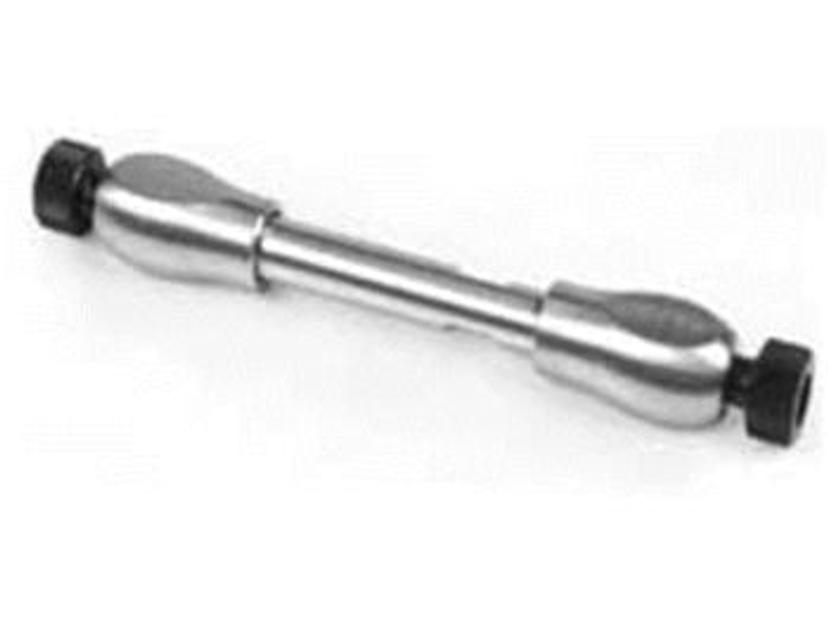
New in 2013, the ÄKTA start offered inbuilt touchscreen control for real-time monitoring of the UV curve and other run data. The hassle of collecting fractions manually was eliminated with the Frac30 fraction collector.
This is an easy-to-use system for protein analysis. This is a unique system specially designed for accuracy and fast results.
Ritesh Bhole Commenting on the Cytiva ÄKTA start

ACQUITY Arc System- Waters
Award: Best New Separations Product of 2016
Awarded Best New Separations Product of 2016, the much loved ACQUITY Arc System offered versatility and robustness for scientists looking to easily switch between HPLC and UHPLC operation. System reliability and robustness ensures product consistency and compliance with regulatory guidelines, all while minimizing downtown and inefficiencies.
Powerful hardware components and easy-to-operate software for method validation.
Sanjay Poman Commenting on the Waters ACQUITY Arc System

QTRAP® 5500 LC-/MS/MS System - SCIEX
Award: Best New Spectroscopy Product of 2008
The SCIEX QTRAP 5500 LC-MS/MS system, awarded Best New Spectroscopy product in 2008, was a next-generation technology designed to excel at metabolite identification, detection and confirmation of low-level pesticides, and protein/peptide quantitation for biomarker verification and validation. Redesigned from the ground up using new, fast eQ™ electronics, but bred from an industry standard triple quadrupole line of mass spectrometers, the QTRAP 5500 system brought in a new era of performance.
It was easy to use and will recommend to my colleagues in other companies.
Swarup Prabhune Commenting on the SCIEX QTRAP 5500 LC-/MS/MS System

8900 Triple Quadrupole ICP-MS - Agilent Technologies
Award: Best New Spectroscopy Product of 2012
The Agilent 8900 triple quadrupole ICP-MS (ICP-QQQ) was the world’s most successful and widely used tandem ICP mass spectrometer. Available in a range of configurations to cover applications from routine contract analysis to advanced research and high-purity materials analysis, the Agilent 8900 ICP-QQQ redefined ICP-MS performance.
Easy to use and easy for maintenance. Performance/Data are consistent.
Jimmy Xu
Commenting on the Agilent Technologies 8900 Triple Quadrupole ICP-MS
NexION 350 ICP-MS Spectrometers - PerkinElmer, Inc.
Award: Best New Spectroscopy Product of 2014
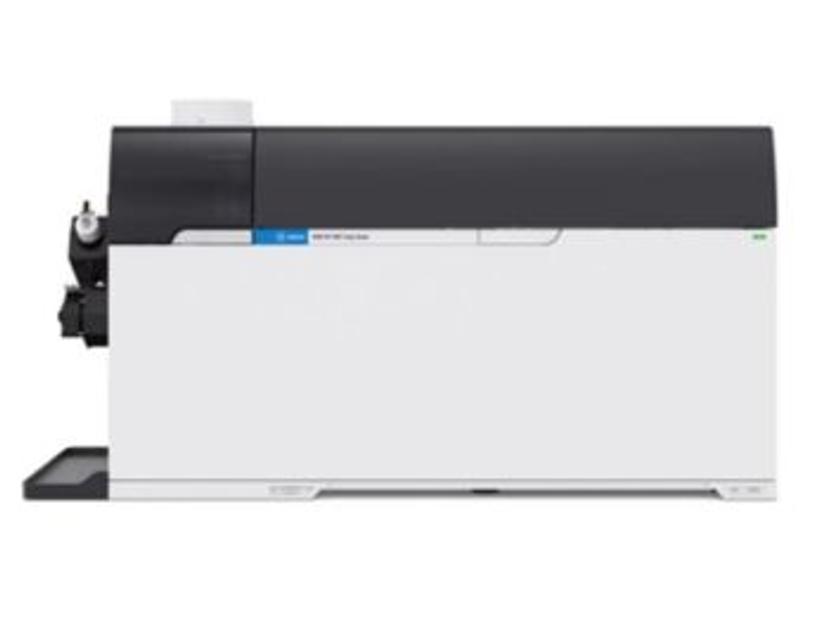
With a data acquisition speed 10 times faster than any other ICP-MS on the market, the new NexION 350 ICP-MS opened up a whole new world of efficiency and opportunity, allowing scientists to measure more in less time, and accurately characterize nanoparticles.
Excellent service. Expert service engineers. Excellent application support.
Firas Harb
Commenting on the PerkinElmer, Inc. NexION 350 ICP-MS Spectrometers
Thermo Scientific™ Q Exactive™ GC Orbitrap™ GC-MS/MS System
Award: Best New Spectroscopy Product of 2015
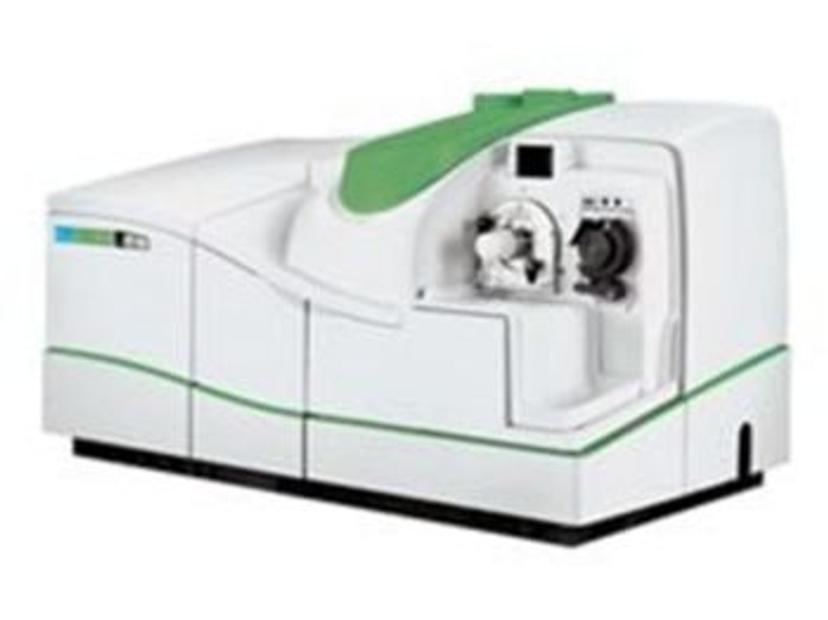
Launched in 2015, this easy-to-use system provided the most comprehensive characterization of samples in a single analysis for the highest confidence in compound discovery, identification, and quantitation. Building upon the flexible modularity of the Thermo Scientific™ TRACE™ 1300 Series GC, including user-exchangeable injectors and detectors, the Q Exactive GC system had the quantitative power of a GC triple quadrupole MS combined with the high precision, full scan high-resolution/accurate-mass capability that only Orbitrap technology can offer.
High resolution and reproducible. High sensitivity, fast, accurate, and easy to handle.
Saleh Khalil
Commenting on the Thermo Scientific™ Q Exactive™ GC Orbitrap™ GC-MS/MS System

timsTOF™ LCMS System - Bruker Life Science Mass Spectrometry
Award: Best New Spectroscopy Product of 2016
The timsTOF featured adjustable ion mobility separation based on Trapped Ion Mobility Spectrometry (TIMS), so scientists could explore samples in various and meaningful ways. timsTOF used an open data format (*.tdf) that introduced full transparency, efficiency and flexibility into the data analysis strategy.
Experiments couldn't be done without this instrument in the lab.
Carolyn O
Commenting on the Bruker Life Science Mass Spectrometry timsTOF LCMS System
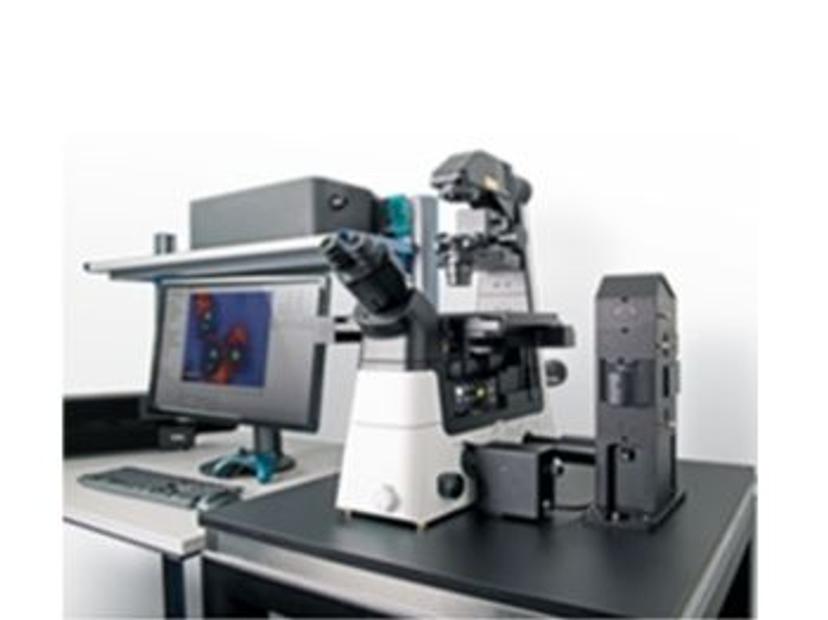
alpha300 Ri – Inverted Confocal Raman Imaging - WITec GmbHT
Award: Best New Spectroscopy Product of 2018
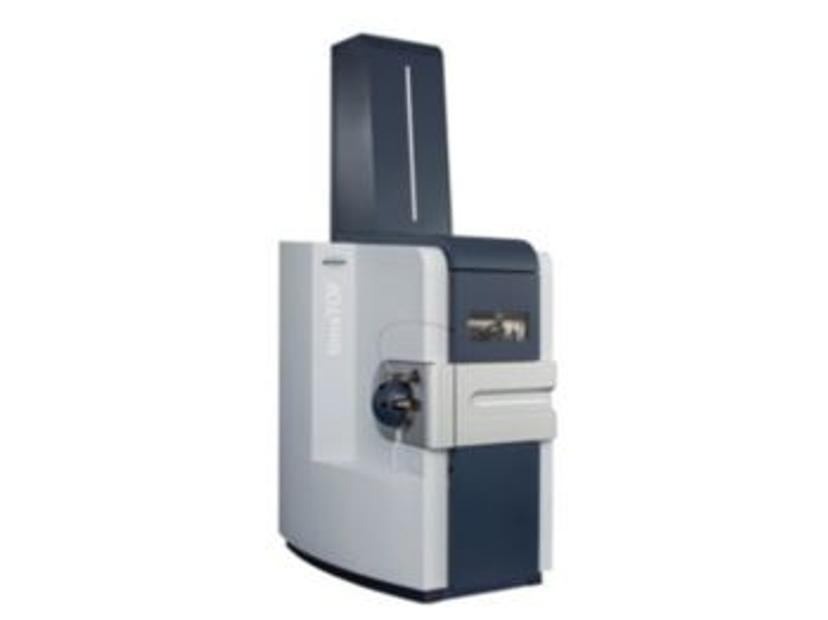
The launch of the alpha300 Ri turned 3D chemical characterization upside down. Its inverted beam path preserved all the functionality of WITec’s standard alpha300 confocal Raman imaging microscopes while introducing a new angle in access and handling. The ability to view and investigate samples from below was (and is) also considered a great advantage when working with aqueous solutions and oversized samples.
Mapping software is very easy to use. Resolution and stability are excellent.
Yasuto Hijikata
Commenting on the WITec GmbHT alpha300 Ri – Inverted Confocal Raman Imaging
Links to more top 10 product lists
- The top 10 products accelerating science in life sciences
- The top 10 products accelerating science in clinical diagnostics
- The top 10 products accelerating science in pharmacology