10 reasons to choose a pipetting robot for routine lab work
10 Oct 2023
Reformatting, plate multiplication, aliquoting, pooling, cherry picking, dilution curves or normalization – the daily business in labs. In times of standardization, where efficiency, throughput, reproducibility and a responsible use of resources are mandatory, it's worth taking the step forward and thinking about automation
What do pipetting robots do?
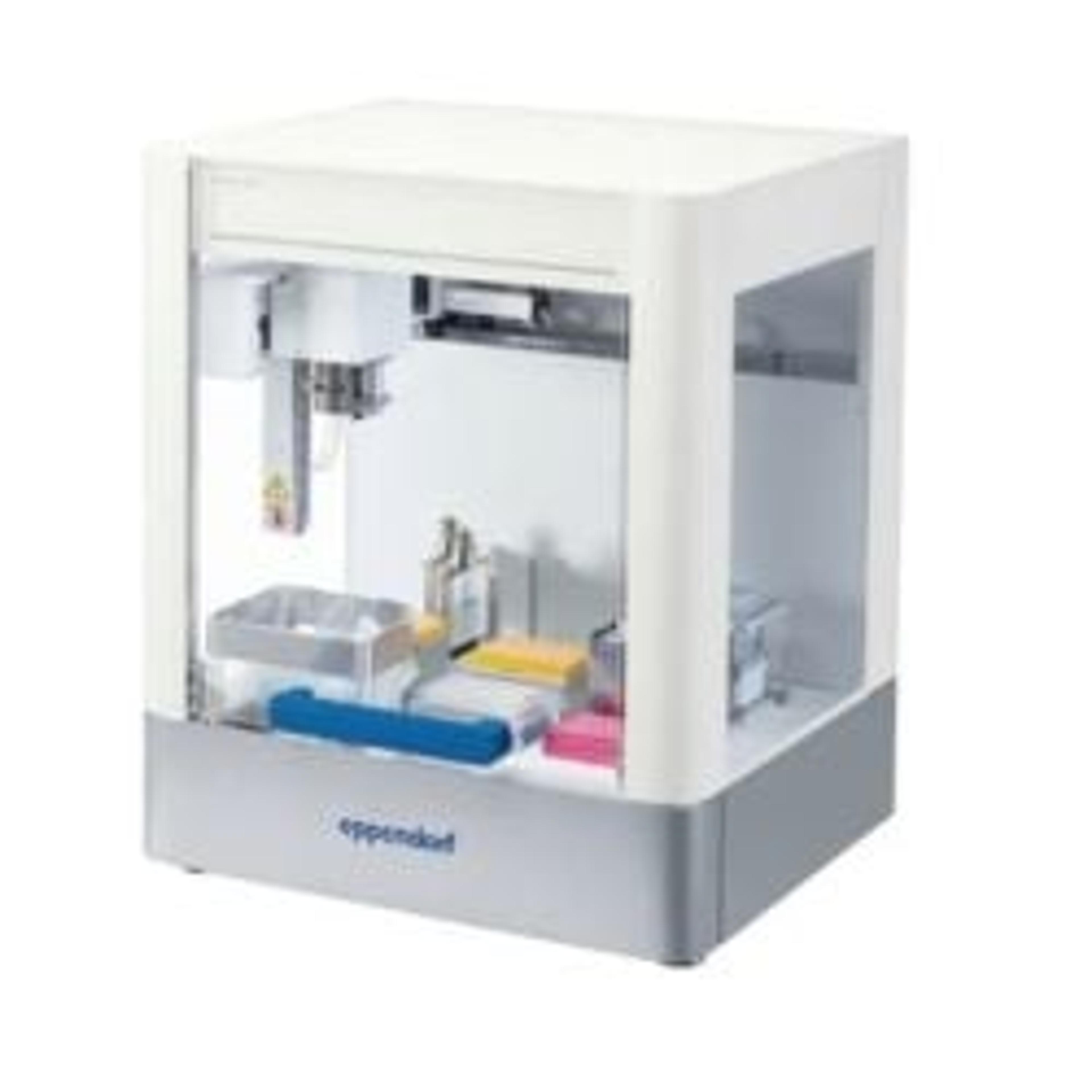
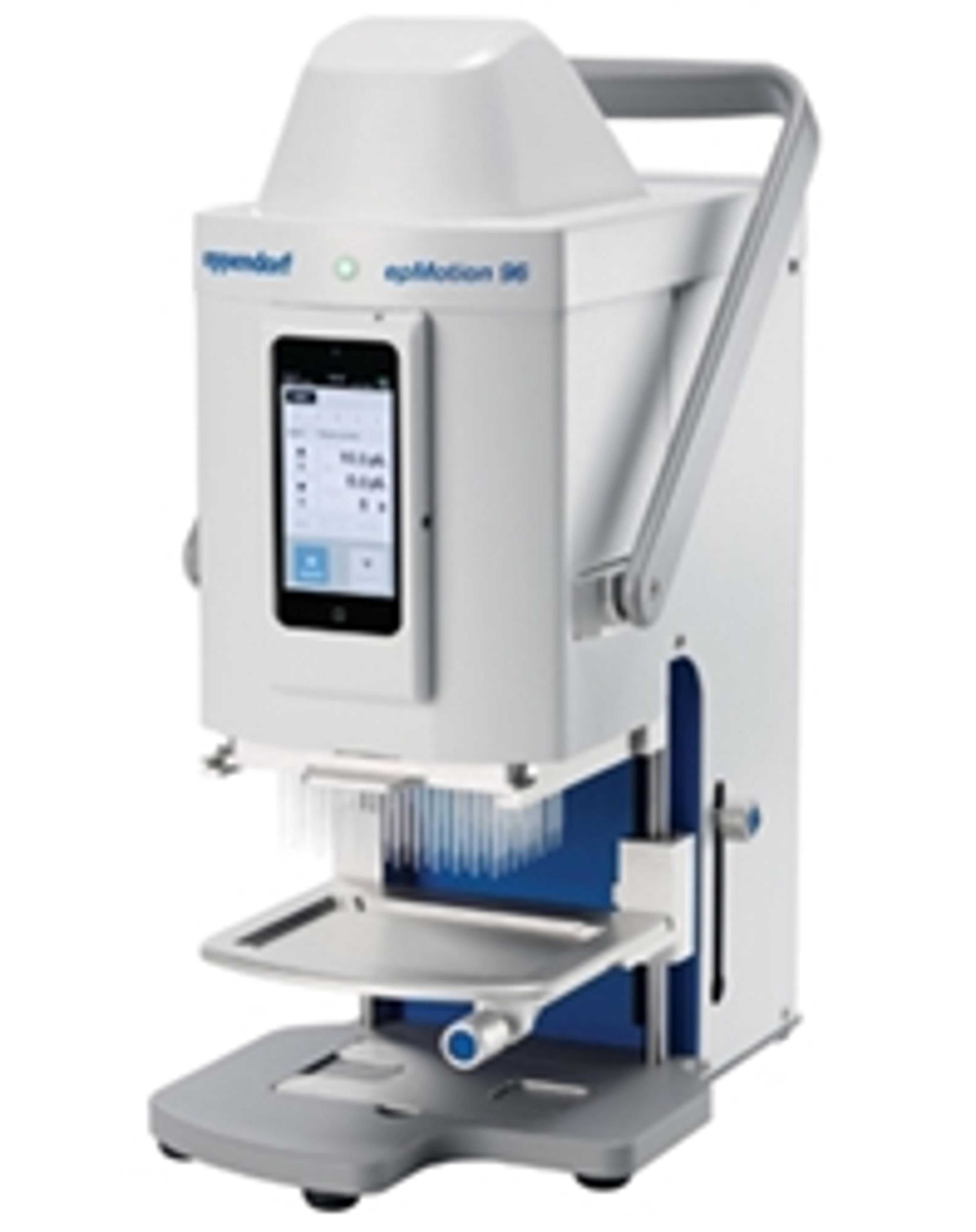
Pipetting robots, also known as liquid handlers or liquid handling systems, are often small smart benchtop robots, which are capable of performing daily tasks directly at your workplace. Pipetting-intensive protocols are transformed into ready-to-run workflows requiring minimal interventions and setup time. You benefit from increased throughput, improved accuracy and a minimized risk of error. The easy-to-use systems boost productivity by freeing users from routine lab work, and automated liquid handling systems form the perfect basis for standardization.
Delegate standard tasks
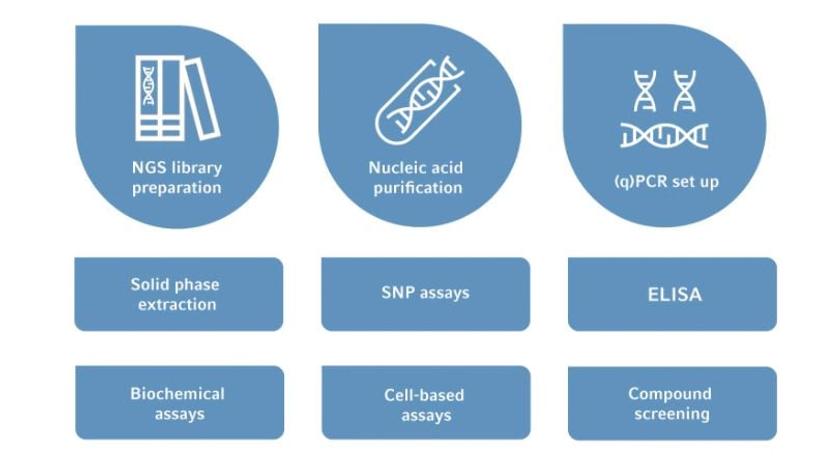
No more routine tasks to do by yourself: repetitive sample transfer between various source and destination vessels as from tubes to plates, concentrated “cherry picking” of individual samples, tedious plate multiplication or exhausting pooling from different samples according to various patterns. Figure 1: Automated liquid handling tasks over your routine pipetting You can exactly reproduce your manual work steps! With only few clicks you can easily program your liquid handling steps in any desired order and number- even the most complex workflows! Simply combine the workflow elements as you would do with manual steps: reagent and sample transfer, tip mixing, heating, cooling, shaking, vacuuming, waiting steps, magnetic or vacuum separation. On top, you can simulate runs in silico to optimize your workflow, without losing consumables, reagents, samples, etc. Automated liquid handling has a high flexibility and can be used for a wide application area.

Higher throughput in less time
Compared to manual pipetting, you can process up to 96 samples simultaneously with high speed. Also, batches with a multitude of samples (e.g. blood, tissues) can be handled. Workflows get significantly streamlined, so that you can run entire protocols in less time.
Error-free
Common error sources are practically eliminated. The benefits include: improved consistency, better precision and accuracy, and less sample loss and reagent usage. Inter-user or inter-run variability and errors associated with manual pipetting potentially compromise results and lead to poor data quality and costly re-runs. The issues range from inconsistent dilution techniques between samples, differences between the pipetting of multiple lab technicians, and variation across the day to differences in concentration across assays.
Reproducibility & standardization
Less errors, less repetitions of failed experiments, increased throughput and efficiency increase the reproducibility and pave the way to standardization.
Automated documentation
The automated documentation tracks comprehensively every detail for each run: sample, barcode, operator, time, type of procedure, position of sample in a plate from origin to destination, volumes, and many more.
Increased productivity
The automated and streamlined workflow significantly reduces hands-on time and allows for maximum walk-away time. This frees up users to spend more time to other sophisticated work such as focusing on the analysis and interpretation of results.
Contamination prevention
A multilevel contamination prevention protects precious samples and valuable regents, ensured by many features like contact-free dispensing, autoclavable tools, sterile filter tips, HEPA-filter and UV-sterilization. In contrast to manual liquid handling, the system is completely closed for maximum safety.
User protection
The contamination prevention features also protect the user from biohazardous substances.
'Body & mind protection'
The pipetting robot relieves the user from extreme manual handling and the strain of performing repetitive manual tasks.
Ease of use
An automated liquid handling system (if the right one is chosen) is very easy to use. The simple software can be implemented quickly, and user-friendly computer interfaces with pre-optimized commands and step-by-step guidance make programming and operation intuitive, fast and easy. The small instrument footprint frees up bench space.
Pave the way for standardization with improved accuracy and reproducibility as well as increased productivity.