10 Best Life Sciences Interviews of 2017

From cancer cells to ocean microbes to Zika virus: Read the interviews that made the most impact in 2017

3 Jan 2018

Anita Ramanathan
Administrator / Office Personnel

Editorial article

While one scientist packed his lab into a suitcase, another discovers the world of automatic live cell imaging. Meanwhile, the director of NIH's National Cancer Institute reminisces on decades of experiments, while an analytical chemist shares her dream of a 'Google Earth' style map for a tumor. These are just a few of the fascinating SelectScience interviews of 2017.

1. Researchers Deplete Cancer Stem Cells to Fight Recurring Brain Tumors

H&E staining of a brain section showing invasive and proliferative tumors. Image courtesy of Dr. R Spina

Brain cancer researcher, Dr. Raffaella Spina, explains cancer recurrence in glioblastomas and her approaches to fighting it in the laboratory. Read article >>

2. New Optical Method “Cuts” and Examines Cancer Biopsies During Surgery
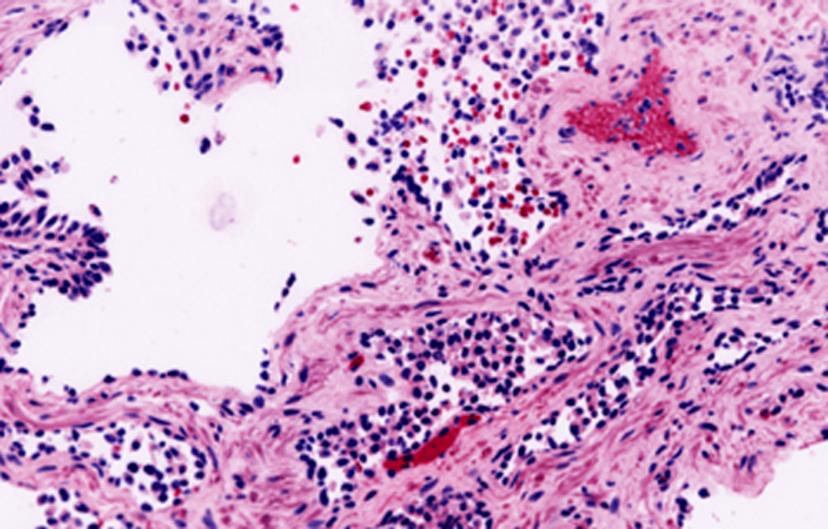
Prostate tissue stained with eosin and DRAQ5TM recolored to simulate the traditional H&E staining. Image courtesy of the Brown lab, Tulane University

Dr. J. Quincy Brown explains how optical methods examine fresh tumor biopsies to determine the tumor margins during organ removal surgery. Read article >>

3. The Mobile Laboratory: How a Scientist Tests for Infectious Diseases out of a Suitcase

Dr. Ahmed Abd El Wahed’s mobile laboratory at work during the Ebola training course at the Institute Pasteur de Dakar, Senegal.

Read how Dr. Ahmed Abd El Wahed created a mobile laboratory to keep his research going even in corners of the world with poor infrastructure. Read article >>

4. iPSCs Help Decipher the Debilitating Side-Effects of Chemotherapy
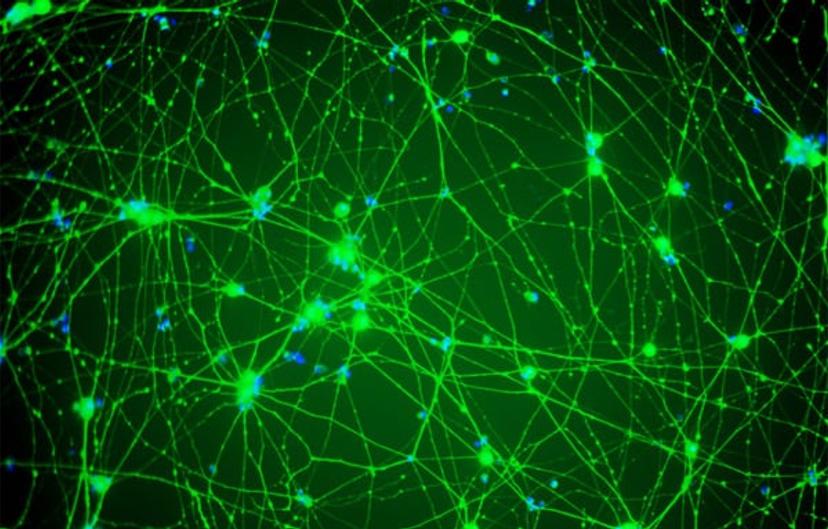
iPSC-derived neurons serve as a model for neuropathy in Dr. Eileen Dolan’s lab. Image courtesy of the Dolan lab

Dr. Eileen Dolan explains how she studies genetic variants that can predispose a patient to experience neuropathy after chemotherapy treatment. Read article >>

5. Science on a Ship: Diverse Microbes of the Deep, Dark Oceans

Dr. Jason Sylvan, Assistant Professor, Department of Oceanography, Texas A&M University, carries out his research aboard the JOIDES Resolution

Read how Dr. Jason Sylvan samples microbes from the depths of the ocean and performs experiments on a ship. Read article >>

6. Understanding Zika Virus Infection: The Development of an Animal Model

A critical step to understanding Zika virus pathogenesis is the development of an animal model. In this video, discover how Dr. Mukesh Kumar, of the University of Hawaii, developed a guinea pig model for Zika virus infection, and the role this model may play in future research. Watch video >>

7. Fluorescent Biosensors Reveal the Inner Workings of Living Cells
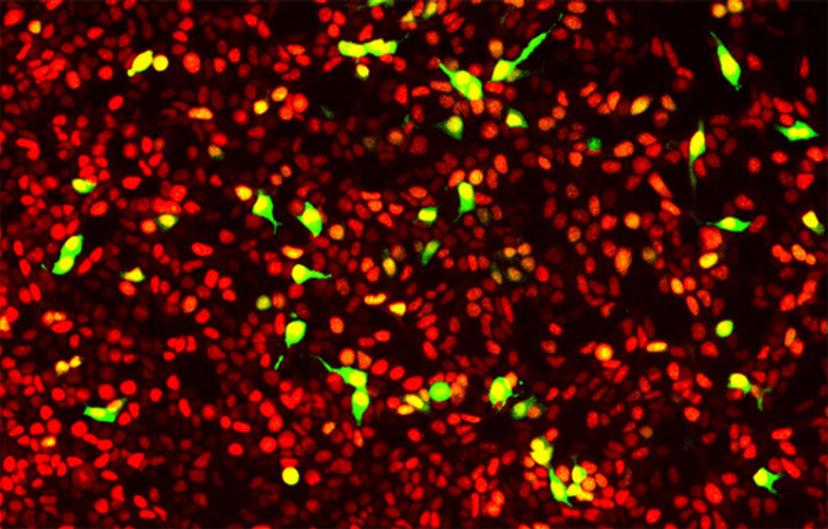
HEK293T cells carrying a green cell stress sensor and a constitutively expressed nuclear red fluorescent protein. Image courtesy of Montana Molecular

Anne Marie Quinn, founder of Montana Molecular, shares how it’s possible to measure, in real time, multiple signaling pathways inside a living cell. Read article >>

8. How Retrospective Genetic Studies at NIH Are Providing Answers for the Future of Cancer
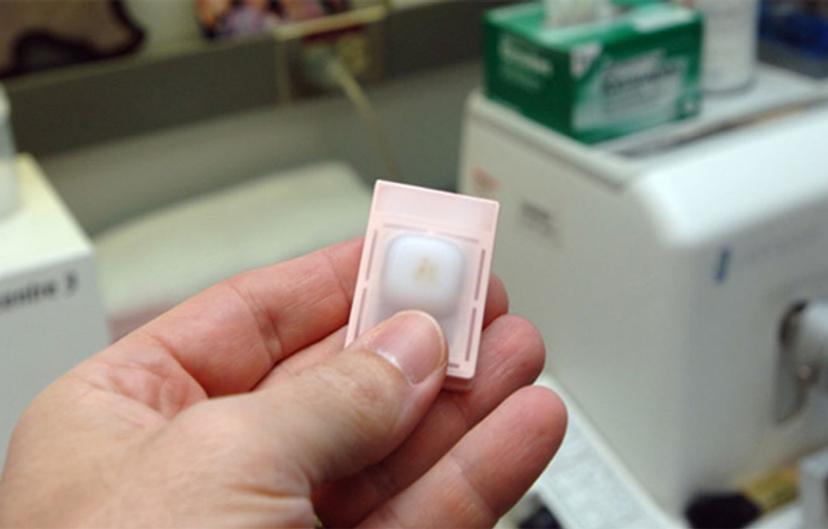
Preserved samples from different international cohorts aid retrospective genome-wide studies in identifying cancer risks. Image courtesy of Ed Uthman under the Creative Commons License

Dr. Stephen Chanock, National Cancer Institute, shares the latest cancer epidemiology studies at the NIH and the team’s hopes of being able to predict and prevent disease. Read article >>

9. A 3-Dimensional ‘Google Earth’ Style Map for Tumors
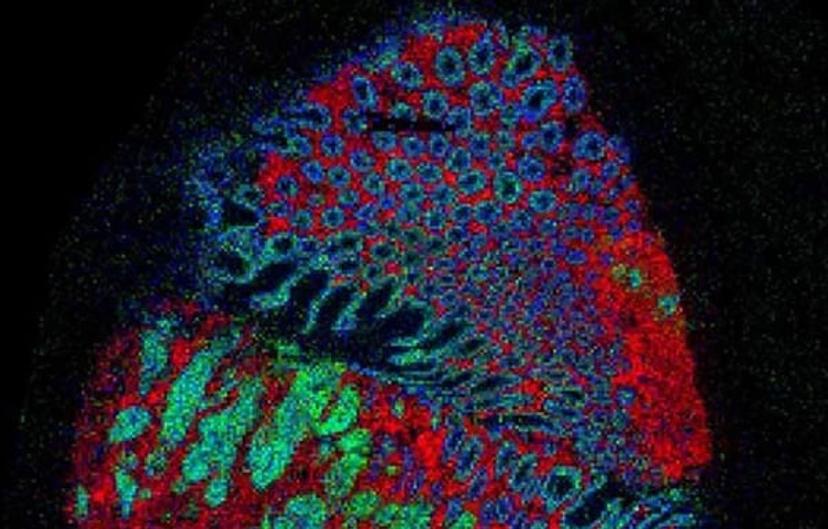
A picture of a bowel cancer sample made using mass spectrometry imaging. Red is tissue that lines the bowel, green is the tumor and blue is muscle. Credit: Zoltan Takats, Renata Filipe-Soares (Imperial College London); Nicole Strittmatter, Gregory Hamm, Richard Goodwin (Astra Zeneca); Rory Steven, Adam Taylor, Alan Race, Spencer Thomas, Rasmus Havelund, Josephine Bunch (NPL).

Dr. Josephine Bunch, UK Grand Challenge awardee, describes her unprecedented research into a tumor’s intricate architecture and shares her ultimate goal of mapping what’s inside a tumor. Read article >>

10. Ultra-Sensitive Digital Method Detects Rarest of Genome Mutations
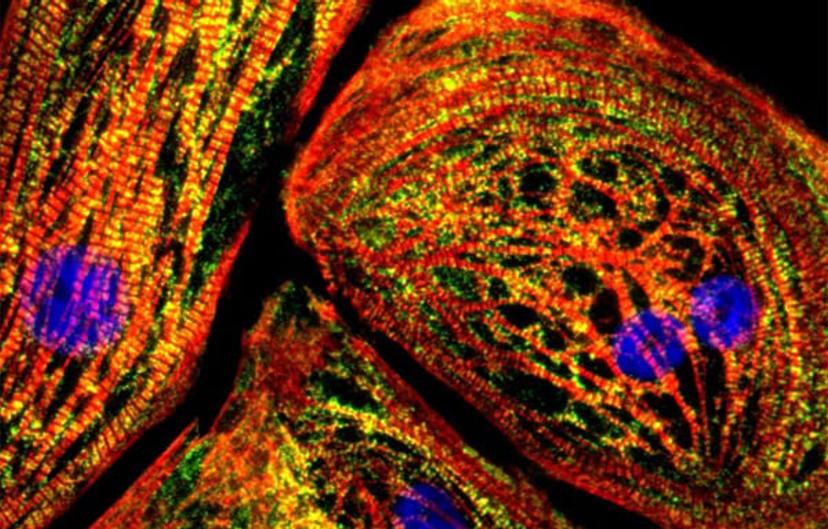
Human iPSCs were differentiated into cardiomyocytes. Image taken by Dr. Luke Judge, M.D. Ph.D. of the Conklin Lab

Dr. Bruce Conklin, UCSF, discusses the potential of genome engineering as a therapy for genetic diseases. Read article >>

Stay up-to-date in 2018: get more articles like these directly to your inbox. Sign up for SelectScience now. It's free.

Links

Tags

BiosensorsBiosensors are devices used to detect an analyte using biological molecules specific to the analyte coupled to a detector. Biosensor instruments may be photometric, typically using surface plasma resonance (SPR), electrochemical or QCM (quartz crystal microbalance) biosensors. Biosensors should be selective, portable, robust and sensitive and have a fast response time. Systems may be manual or automated and usually have associated software.Cell / Tissue CultureCell culture or tissue culture is used to study the biology of cells or tissues and to isolate cellular products in an environment which can be manipulated and well defined. Accurately control your culture environment with bioreactors or culture incubators, bind your cells to a surface or together with an extracellular matrix. Distinguish cell types with differential media or proliferate cells with certain characteristics using selective media. Enrich your media with supplements such as growth factors, sera and vitamins. Find the best cell and tissue culture products, kits and equipment in our peer-reviewed product directory: compare products, check customer reviews and receive pricing direct from manufacturers.Genome AnalysisGenomics, the study of genomes, includes functional genomics, evolutionary genomics and comparative genomics. There are many genomic technologies such as DNA sequencing of whole genomes, computational biology and bioinformatics. DNA and nucleic acids must be isolated and concentrated from cells for analysis with kits, automated analyzers and software. Other useful technologies for studying genomics include PCR, microarrays and electrophoresis.Cell Lines Stem Cells and Primary CellsPrimary cell cultures, established cell lines and stem cells are vital for <i>in vitro</i> and <i>ex vivo</i> experimentation. High-quality cells, optimized for your applications, alongside optimized cell substrates, growth medium and supplements, are critical for experimental success. Explore a range of cells suitable for your applications, including isogenic cell lines, competent cells, induced pluripotent stem cell (iPSC)-derived cell lines, fungal/bacterial/mammalian cell lines, stem cells and cancer cell lines. Find the best cells for your research in our peer-reviewed product directory: compare products, check customer reviews and receive pricing direct from manufacturers.DNA / RNA Extraction and PurificationPurified DNA and RNA are required for numerous downstream molecular biology applications. Consequently, the importance of high-quality DNA/RNA extraction and purification equipment cannot be underestimated. Many purification kits are available and are typically optimized for nucleic acid type and source, including plasmid DNA, genomic DNA, mRNA, RNA and viral nucleic acid purification kits. Automated extraction and purification of nucleic acids can be implemented with magnetic bead separator instruments or high-throughput purification workstations. Find the best DNA/RNA extraction and purification equipment in our peer-reviewed product directory: compare products, check customer reviews and receive pricing direct from manufacturers.DNA SequencingDNA sequencing, such as sanger sequencing, is a biological technique that determines the precise order of nucleotide bases in a fragment or template of DNA. DNA sequencers and genetic analyzers are based on capillary electrophoresis, where labeled DNA fragments are electrophoretically separated by size as they migrate through a polymer. Find the best DNA sequencing products, including DNA sequencing kits, genomic libraries and genetic identity kits in our peer-reviewed product directory: compare products, check customer reviews and receive pricing direct from manufacturers.BiomarkersBiomarkers are biological markers which can be measured and evaluated to indicate a biological state. The use of biomarkers in research and diagnosis can indicate a normal or disease state or drug response of cells / tissues. Biomarkers include genetic markers, cell surface markers such as antigens, antibodies or receptors and secreted molecules such as cytokines. An assay system is required for identification of biomarkers. :Next Generation SequencingNext-generation sequencing (NGS), also known as whole-genome sequencing, high-throughput sequencing and massive parallel sequencing, produces and analyses thousands to millions of nucleotide sequences at once. Sequencing systems operate via varying technologies depending on the manufacturer, including sequencing by synthesis, ligation, pyrosequencing, ion semiconductor and single-molecule real-time sequencing. For NGS, library preparation is paramount to successful sequencing. In this section, explore a range of library preparation kits, from targeted, amplicon-based or hybridization-based kits including epigenomic, transcriptomic and genomic workflows to fragmentation kits. Find the best next-generation sequencing products in our peer-reviewed product directory: compare products, check customer reviews and receive pricing direct from manufacturers.MicrobiologyMicrobiology is the study of microorganisms including protists, prokaryotes, fungi, and, often, viruses. Microorganisms are a useful research tool as genetic vectors and, in immunology, for antibiotic susceptibility testing, cellular biology and genetics. Microorganisms commonly grow readily in incubators with microbial culture media; this can contain chromogenic supplements to differentiate between cell lines. Estimate your culture’s density of microorganisms with colony counters, or screen and select colonies for desirable clones with automated colony pickers. Additionally, equipment is available to monitor environments for the presence of microbes and identify with microbial identification instruments. Find the best microbiology products in our peer-reviewed product directory: compare products, check customer reviews and receive pricing direct from manufacturers.Cancer ResearchCancer research aims to understand the mechanisms of cancer development and progression to improve prevention, diagnosis, and treatment. From molecular biology to clinical trials, research spans a wide range of disciplines, including immunotherapy, targeted therapies, and drug discovery. Explore the best cancer research products in our peer-reviewed product directory; compare products, check reviews, and get pricing directly from manufacturers.In Vivo ImagingLive Cell ImagingLive cell imaging is the study of living cells using microscopes and high-content imaging systems. This technique provides in-depth insight into fast and complex biological processes, by allowing dynamic imaging of living cells instead of acquiring an individual image at a single point in time.Cell Based AssaysCell-based assays use living cells to measure biological responses to various treatments or stimuli. They are essential for drug discovery, toxicology testing, and understanding cellular mechanisms. These assays are used to assess cell viability, proliferation, gene expression, and other cellular activities. Browse our peer-reviewed product directory to find the best cell-based assay tools and reagents, compare products, read customer reviews, and get pricing directly from manufacturers.BiosensorsZika